Long before a child picks up a crayon, they are already learning to communicate. The journey from first sounds to first words is one of the most remarkable processes in human development – and it happens faster than most parents realise.
It starts earlier than you think
Research by the late Dr Peter Jusczyk found that babies can recognise their own name by four and a half months old. By nine months, they are already picking up on the patterns of their language – listening longer to sound combinations they hear frequently. Ninety per cent of brain development happens before the age of five, and the foundations of language are being laid from the very first weeks of life.
The neural pathways that form during these early interactions shape how a child processes language for years to come. Every conversation, every song, every narrated nappy change is building architecture in the brain.
Babbling is not just noise
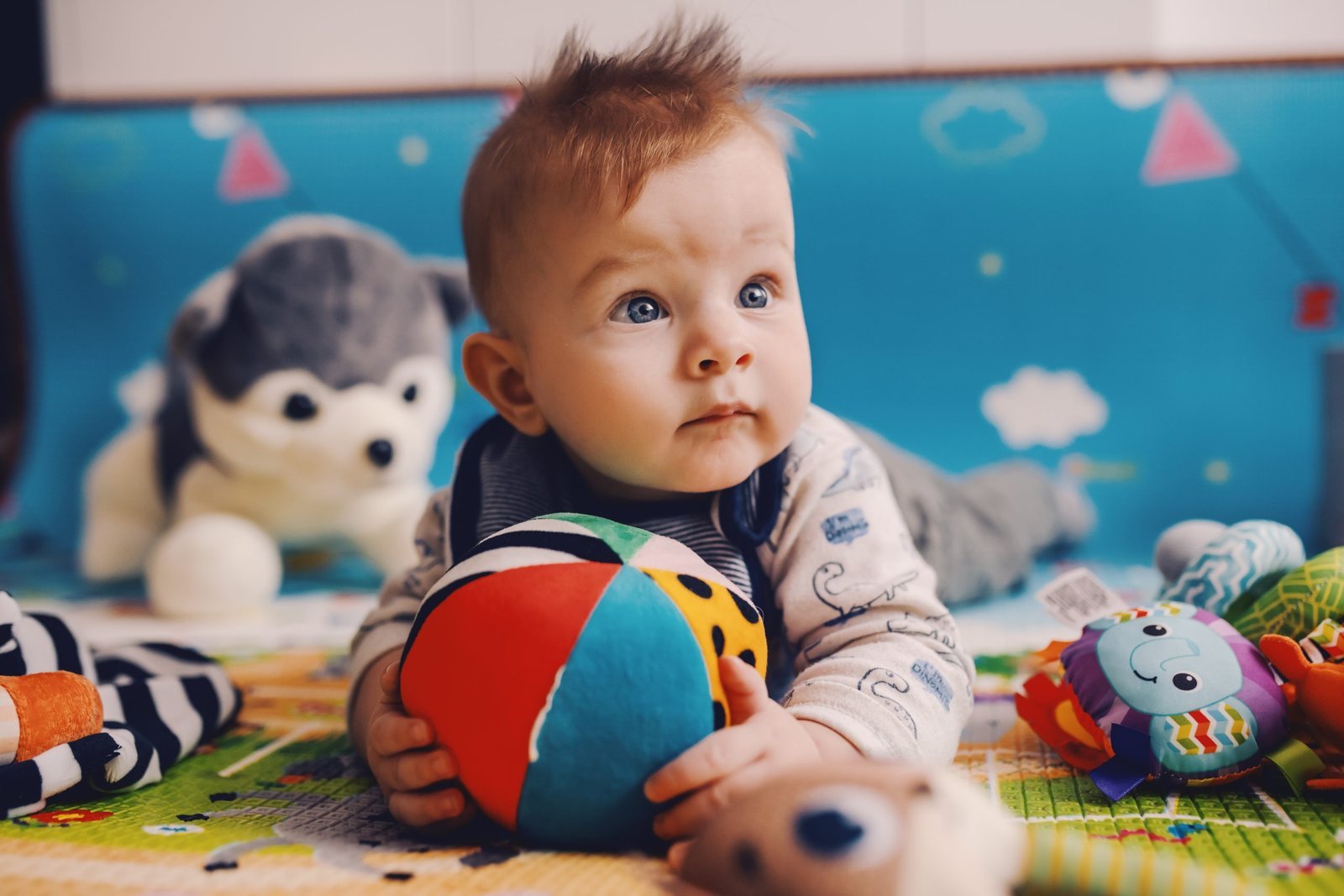
A baby’s first recognisable word is a milestone parents celebrate. But the babbling that comes before it may matter even more. Through babbling, babies engage in proto-conversations with the adults around them – taking turns, experimenting with sounds, learning the rhythm of communication well before they can produce meaningful words.
Research suggests that babbling serves as a perceptual filter: babies are drawn towards words that match the sounds they can already produce. Their first words are shaped not just by what they hear, but by what their mouths have practised making.
The power of baby talk
The instinct to speak to babies in a higher pitch with exaggerated intonation is not just endearing – it is functional. This style of speech, sometimes called infant-directed speech, helps babies distinguish between sounds, focus on key words and process the flood of auditory information around them.
Dr Roberta Golinkoff, professor of psychology at the University of Delaware and author of How Babies Talk, argues that this speech style is essential for language learning. The exaggerated facial expressions that accompany it help babies read emotion. The repetition helps them isolate individual words from the stream of speech. The simplified grammar gives them patterns they can begin to decode.
This is not “dumbing down” language. It is scaffolding it – giving babies access to the structure of communication at a pace their developing brains can work with.
What the milestones look like
Every child develops at their own pace, but the broad trajectory of early language follows a predictable pattern:
Around six months, most babies understand words with strong personal meaning – “Mummy”, “Daddy”, their own name.
Around nine months, simple functional words begin to emerge – “milk”, “more”, “up”.
By twelve months, most children can say several recognisable words and understand many more.
By eighteen months, two and three-word combinations start to appear – the beginnings of sentences.
These are rough guides, not deadlines. A child who reaches a milestone a few months later is not behind – they are following the same sequence at their own speed.
What you can do
The most effective thing parents can do for early language development is deceptively simple: talk to your child and respond when they talk to you.
Respond to babbling as though it is conversation. Pause, answer, take turns. This teaches babies that communication is a two-way process before they have a single word.
Name things as you go about your day. The running commentary that feels silly – “now we’re putting on your shoes, these are your blue shoes” – is precisely what builds vocabulary.
Read together and talk about what you see. Interactive reading, where you point, ask questions and let your child turn pages, builds language far more effectively than reading straight through.
Sing. Nursery rhymes and songs are packed with repetition, rhythm and rhyme – all of which support language processing.
Talk about what has just happened. “We went to the park. You went on the swing.” Connecting language to recent experience helps children understand that words describe the world.
None of this requires special materials or structured sessions. It requires presence and conversation – the two things babies need most.
From speech to writing
Language development does not stop at speech. The same cognitive systems that help a child understand spoken words will later help them understand written ones. And the transition from speech to writing begins earlier than most parents expect.
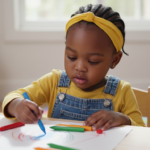
Between two and a half and three and a half, many children reach a milestone that connects directly to the language skills they have been building since birth: they begin to understand that writing and drawing are different. This is not about forming letters – it is about grasping that written marks carry meaning in a different way from pictures. It is symbolic understanding, the same cognitive capacity that made language possible in the first place.
The Scribble Report from More Handwriting assesses whether your child has reached this milestone – using a simple 10-minute activity with crayons and paper, analysed against research-based developmental criteria. Visit morehandwriting.co.uk to find out more.