From first marks to fluent writing: AI-powered tools for children aged 2½–16. For parents and schools – understand development, spot what needs support, and get clear guidance on next steps.
Writing by hand activates parts of the brain that typing does not reach. Children who learn letters through handwriting develop stronger reading and writing skills than those who type. When handwriting becomes automatic, the brain is free to focus on what to say. That is when writing takes off.
A child whose handwriting is not automatic uses so much focus forming letters that there is little left for ideas, structure or vocabulary. They write less. The quality drops. Research shows this follows children into secondary school and beyond.
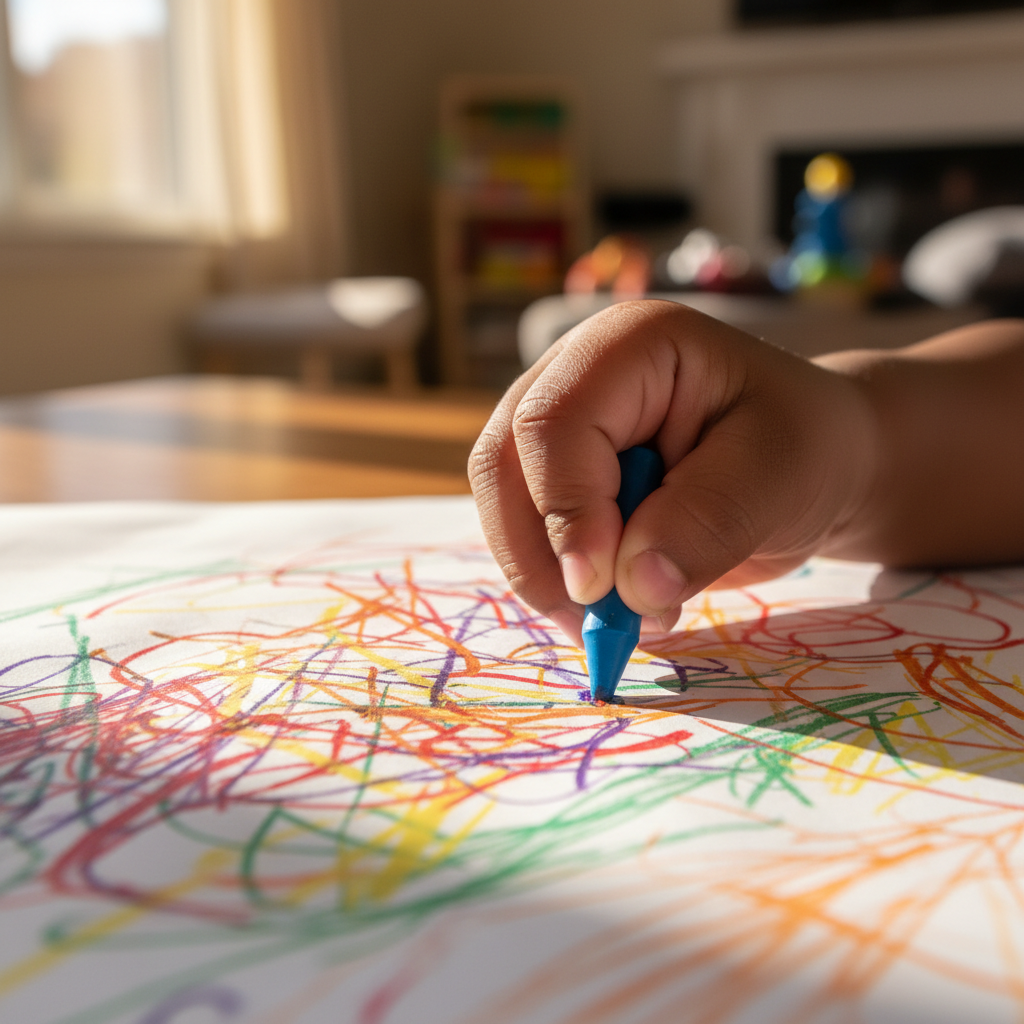
At around two and a half, children begin making different marks when they think they are writing compared to when they are drawing. Nobody teaches them this. It is a cognitive milestone — the foundation everything else is built on.
From age seven, handwriting can be checked — letter formation, sizing and fluency. From eight, we can begin to measure how automatic the writing process is becoming, using standardised benchmarks.
Three tools. Three stages. All built on peer-reviewed research.
Answer four quick questions and we will show you what matters most at your child's stage.

At this age, children begin to understand that writing and drawing are different — even before they can form letters. Most parents can't spot this, but our tool can. It analyses your child's marks and tells you exactly where they are.
10–15 minutes at home. Personalised PDF report with activity ideas delivered to your email.
Get your child's report — £20
Between 4 and 6, children are learning to form letters and develop their handwriting. Right now the best support is plenty of practice with writing materials, and encouragement to write for real purposes — their name on a card, a shopping list, a note to a friend.
Our Handwriting Scan tool is for children aged 7 and above. If your child is nearly 7, leave your email and we will remind you when they are ready to try it.
For children aged 7 and above. Checks handwriting formation, sizing and consistency.

From age 7, handwriting should be becoming more automatic. Our Handwriting Scan checks letter formation, sizing and consistency — and gives you a clear picture of how their handwriting is developing and where they might need support.
Try Handwriting Scan now for a clear picture of how your child's handwriting is developing, and what to do next.
Start your Scan →
By this age, handwriting should be fast and automatic so your child can focus on what they are writing, not how. If their handwriting is slowing them down in lessons or exams, a check can help identify exactly what needs attention.
Try Handwriting Scan now to see exactly what is slowing their handwriting down, and how to help.
Start your Scan →From first marks to fluent writing, we have the right tool for your child's stage
Does your child understand that writing and drawing are different? Our AI looks at their marks using research-based criteria to check for this key milestone – visible even in scribbles. Instant results, no account needed.
Learn More Learn about the research →A quick check on everyday handwriting. Looks at letter formation, sizing and positioning, joins and signs of fluency. Ideal for parents and teachers who want to understand how handwriting is developing – and whether it would benefit from extra support.
A detailed look at handwriting development. Covers pencil grip, letter formation, writing speed and legibility – with screening for indicators of dysgraphia and dyslexia. Designed for parents, teachers and healthcare professionals who want in-depth understanding and clear next steps.
Yvette Reinfor has over 25 years of experience in education and served as Honorary Secretary of the National Handwriting Association, the UK's leading authority on handwriting education.
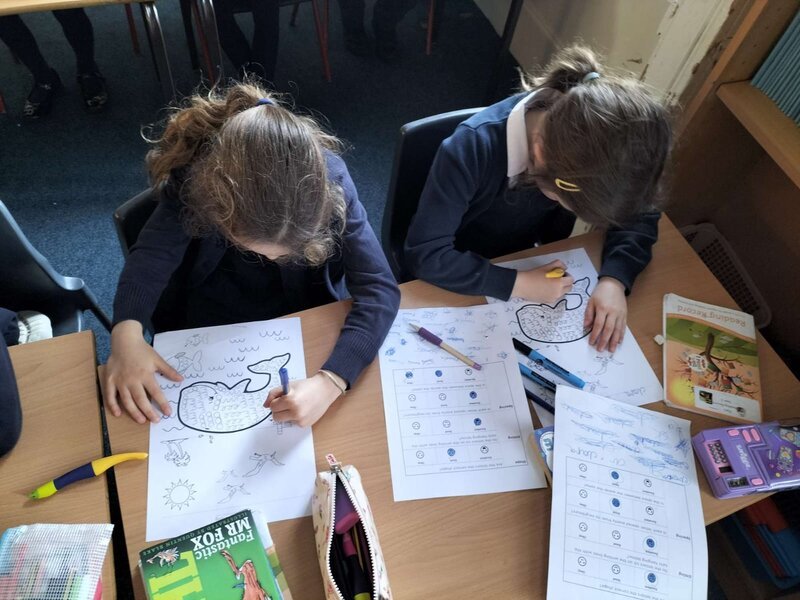
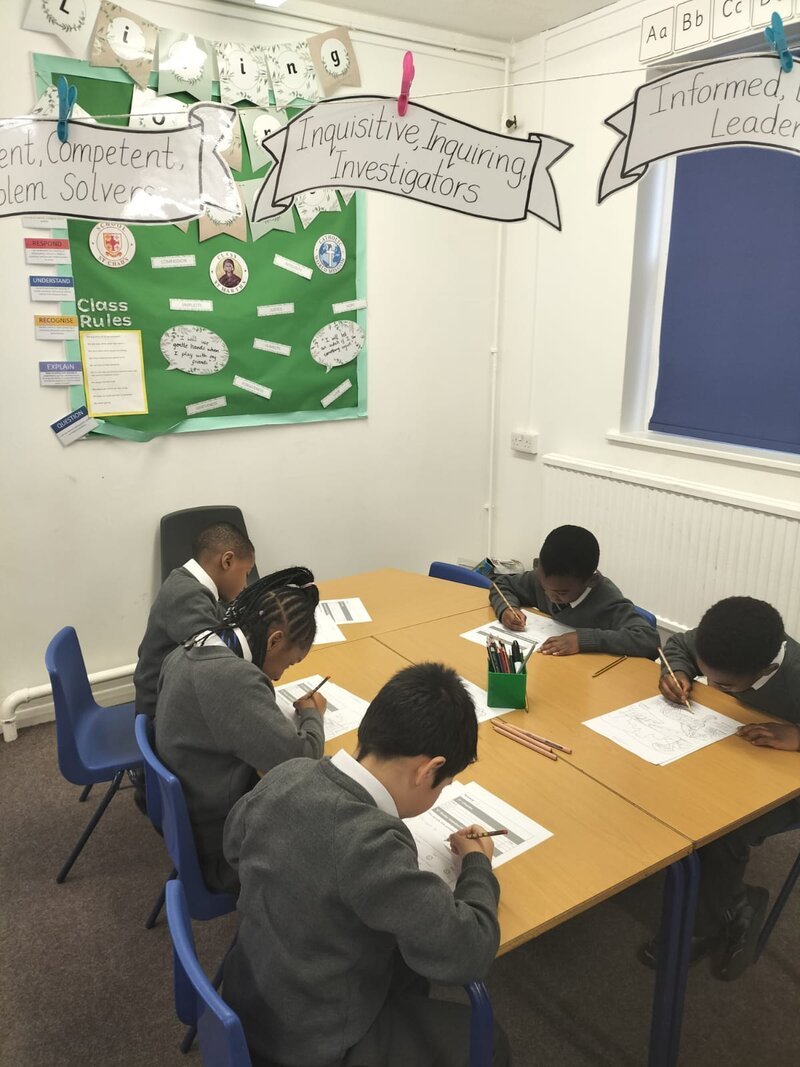
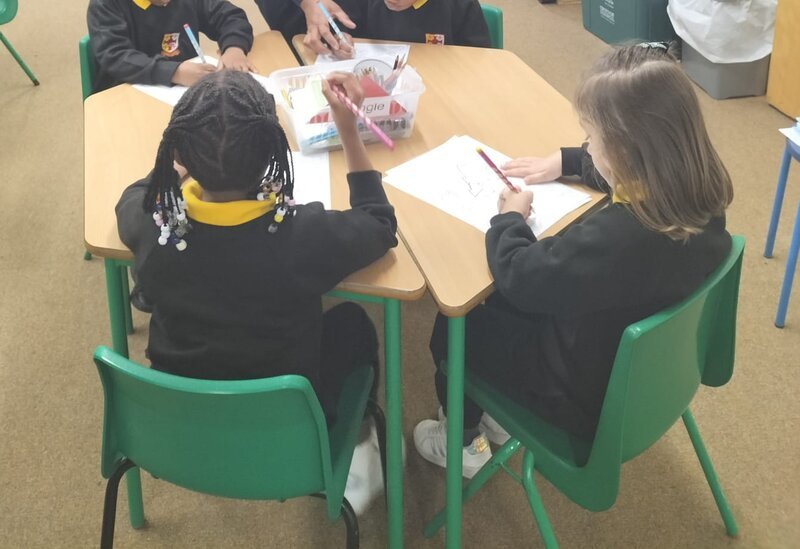
Our tools are informed by real classroom experience, working with children across London schools.
Research-led articles for parents and teachers on handwriting development
Get exclusive resources for supporting your child's writing development.